
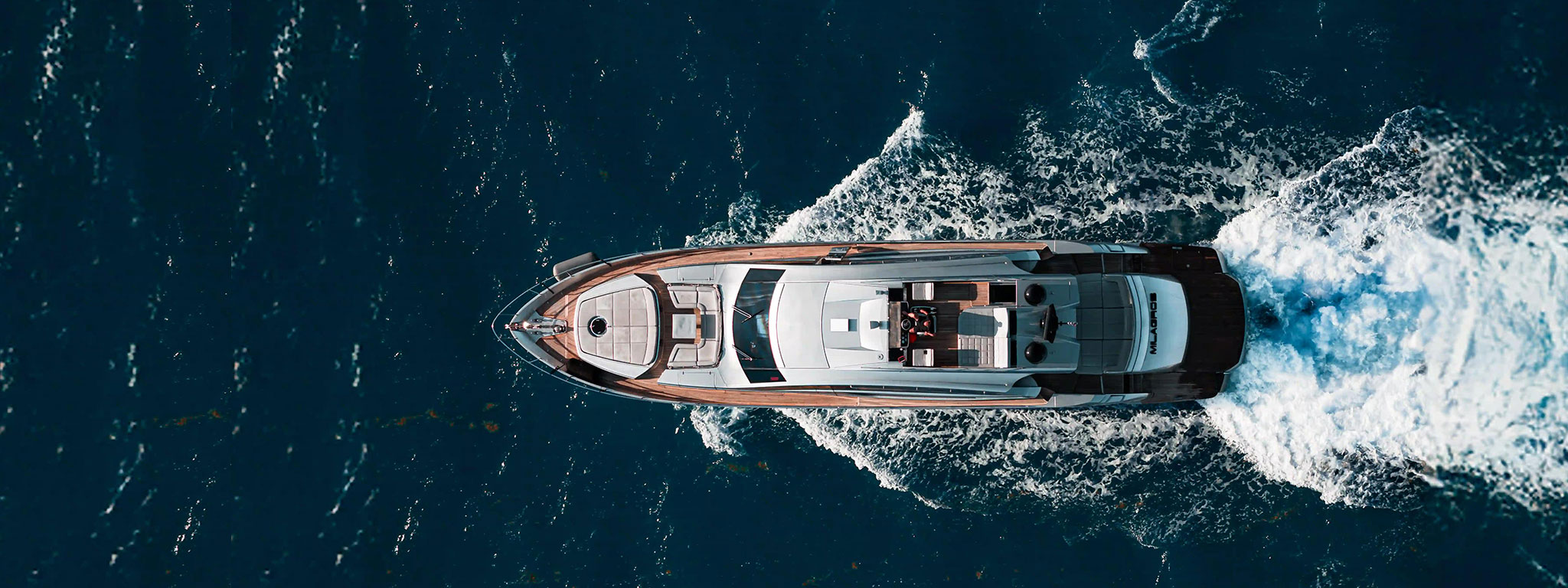
The marine environment destroys accessory hardware through three mechanisms, and they arrive in this order: salt water into every unprotected fastener, cyclic movement loosening anything held by friction, and UV and heat ageing the polymer parts. A marine-rated accessory is not a nicer accessory; it is a different specification, and it is worth specifying deliberately rather than accepting whatever fits the budget.
Many installers make the costly mistake of repurposing RV or exterior residential brackets for boats. On land, rain and wind are predictable. On the water, salt spray is everywhere, forced into threads, gaps and joint surfaces with every wave and every run. Ordinary zinc-plated steel fasteners will start corroding within weeks. Once corrosion sets in, it expands, seizes threads, and turns routine service work into a frustrating, destructive job.
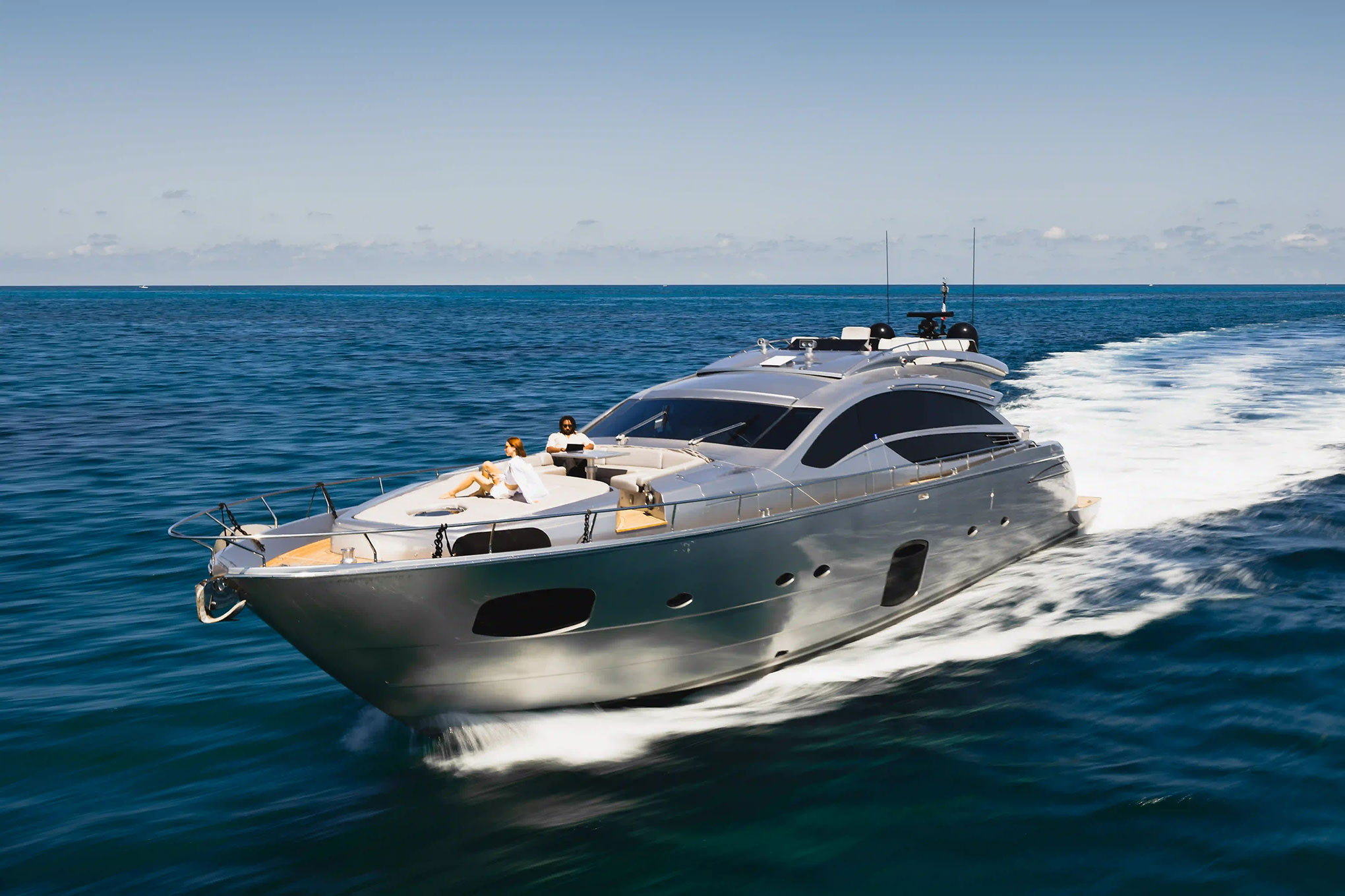
Then comes cyclic shock. Boats do not just vibrate like a van on the motorway. They slam, pitch and roll continuously. Friction-fit fasteners, lock washers and standard thread locker that work well ashore will gradually back off. Even tiny movement at the mount compounds over time: antennas shift out of alignment, connections fatigue, and signal cuts out when you need it most.
Finally, relentless tropical or coastal UV breaks down plastic, rubber gaskets and cable jackets. Cheap polymers turn brittle, crack and crumble, letting more saltwater creep deeper into the assembly. Failure rarely happens all at once. It creeps in stage by stage, until one rough crossing finishes off the whole installation.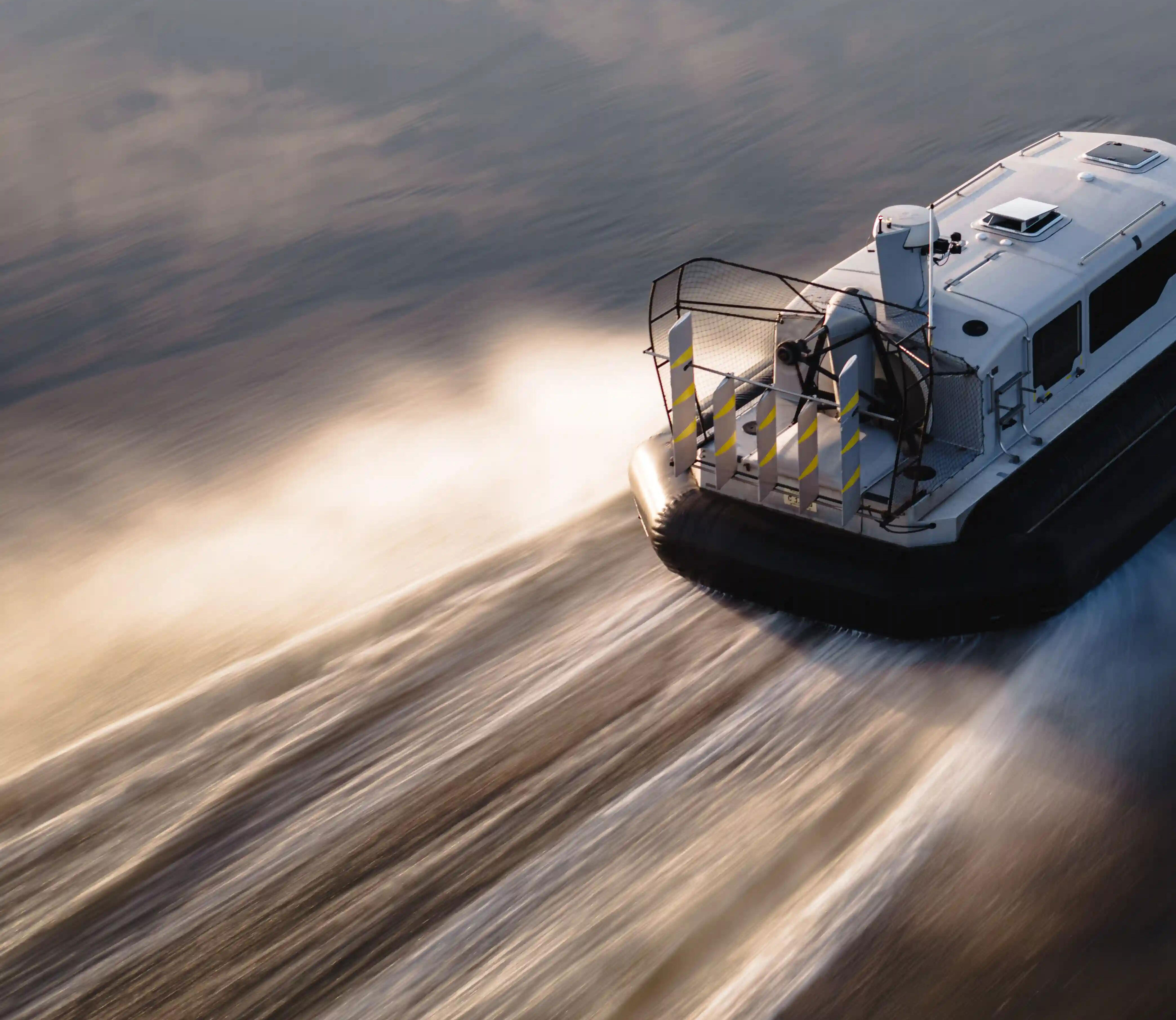
PLZTECH marine kits are engineered against this exact sequence of failure. We use corrosion-resistant hardware suited for saltwater environments, sealed cable entry points, reinforced anti-backout fastening geometry, and UV-stabilised polymers formulated for continuous coastal exposure. Every gasket, spacer and fitting is selected to interrupt that chain of degradation before it starts.
These are not just “weatherproof” brackets repackaged for boats. They are designed to stay locked under wave shock, block salt ingress, and resist solar degradation season after season. Whether you are fitting a leisure craft, workboat or offshore tender, the goal is simple: stable connectivity that survives the marine cycle, not just a few calm weekends on the water.
For marine builds, budget-first sourcing is false economy. Pick hardware built for salt, shock and sun — not hardware that merely looks similar.
Ce qui change dans ce scénario
What makes a marine install different
- Corrosion is the first failure. Anodised aluminium with a marine powder coat, or 316-grade stainless with passivation, and documented salt-spray evidence.
- A boat at anchor applies a cyclic load every few seconds. That is a fatigue problem, so the mount needs a positive mechanical lock, not a friction collar.
- There is no mains supply. The load has to fit the charging capacity the vessel actually has, which means a real load calculation.
- Every deck penetration is a leak point. Glands, seals and a drip loop are part of the specification, not accessories to it.
Ce que vos clients vont demander
What to confirm before quoting a marine bundle
- Vessel type, and whether the install is on a cabin top, a pole or a rail.
- Deck and cabin material, and whether a reinforcing plate is needed.
- House bank voltage and available charging capacity.
- Whether the supply is on the vessel permanently or is a portable battery pack for a day boat.
- How the cable is routed from the dish to the entry point, and the run length.
- Whether the dish is stowed below decks, which adds a protective case.
Autres scénarios
Home & Residential Installations
Fixed home installs: where to mount, how to power it, and what matters when the installer is not coming back n…
Lire la suite →RV & Motorhome Fleets
Removable mounts for rental fleets, rigid mounts for camper conversions, and the 12V/24V power chain that keep…
Lire la suite →Off-Grid & Rural Deployments
No mains, no signal, no technician for 200 km. The off-grid specification: self-contained power, sealed enclos…
Lire la suite →Portable & Mobile Deployments
Gear that gets carried, stacked and packed away. Removable mounts, protected storage and the parts that surviv…
Lire la suite →Business & Site Deployments
Multi-user sites where the dish is only the start: PoE injection, outdoor access points and a switch that make…
Lire la suite →Farm & Agri Deployments
Rugged Starlink mounting, anti-vibration brackets and DC power kits for tractors, farm robots and remote field…
Lire la suite →Services OEM / ODM
Outillage sur mesure, identification visuelle et emballages destinés aux distributeurs et aux installateurs.
Lire la suite →Demande de devis grossiste
Vous achetez pour la revente, un projet ou une fiche Amazon ? Envoyez votre quantité cible et votre destination — nous répondons avec un devis et un délai.