
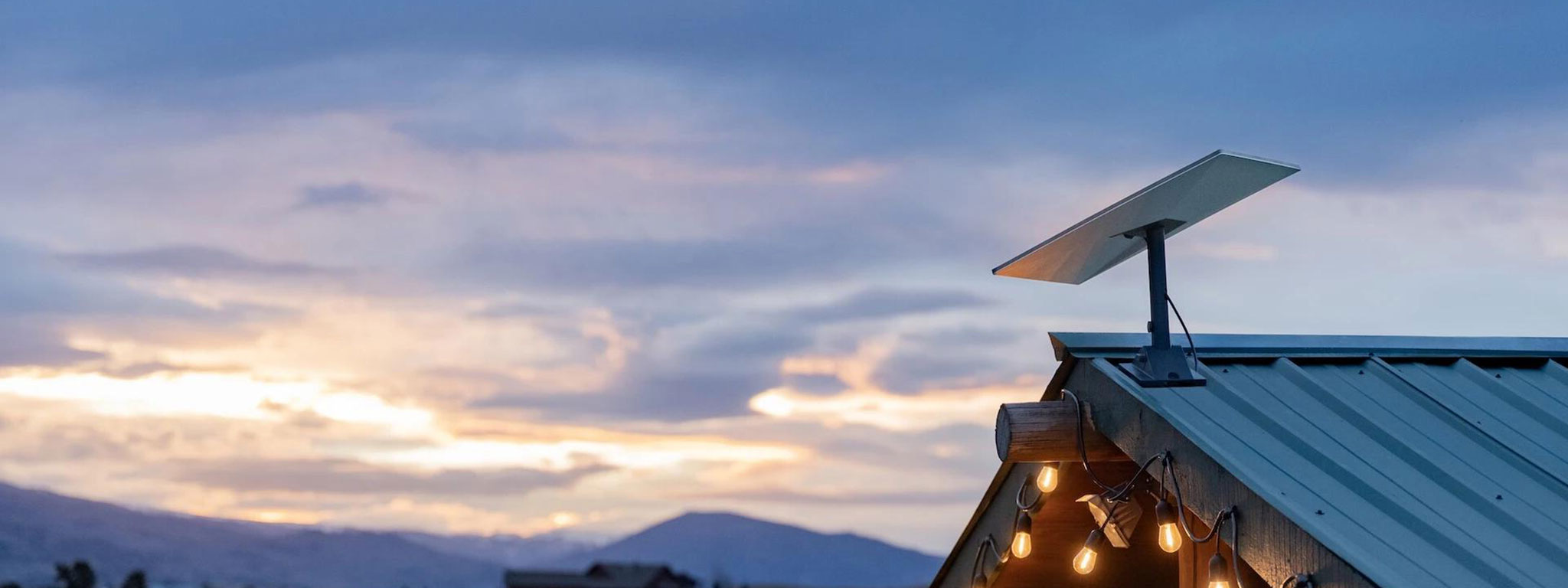
Off-grid is where a Starlink install stops being a networking job and becomes a power and enclosure problem. There is no mains, the nearest technician may be a long drive away, and the equipment will be running in temperature extremes for months at a time. The specification that matters is therefore not the mount alone but the whole chain: the power source, the enclosure, the connectors, and whether any of it can be replaced in the field.
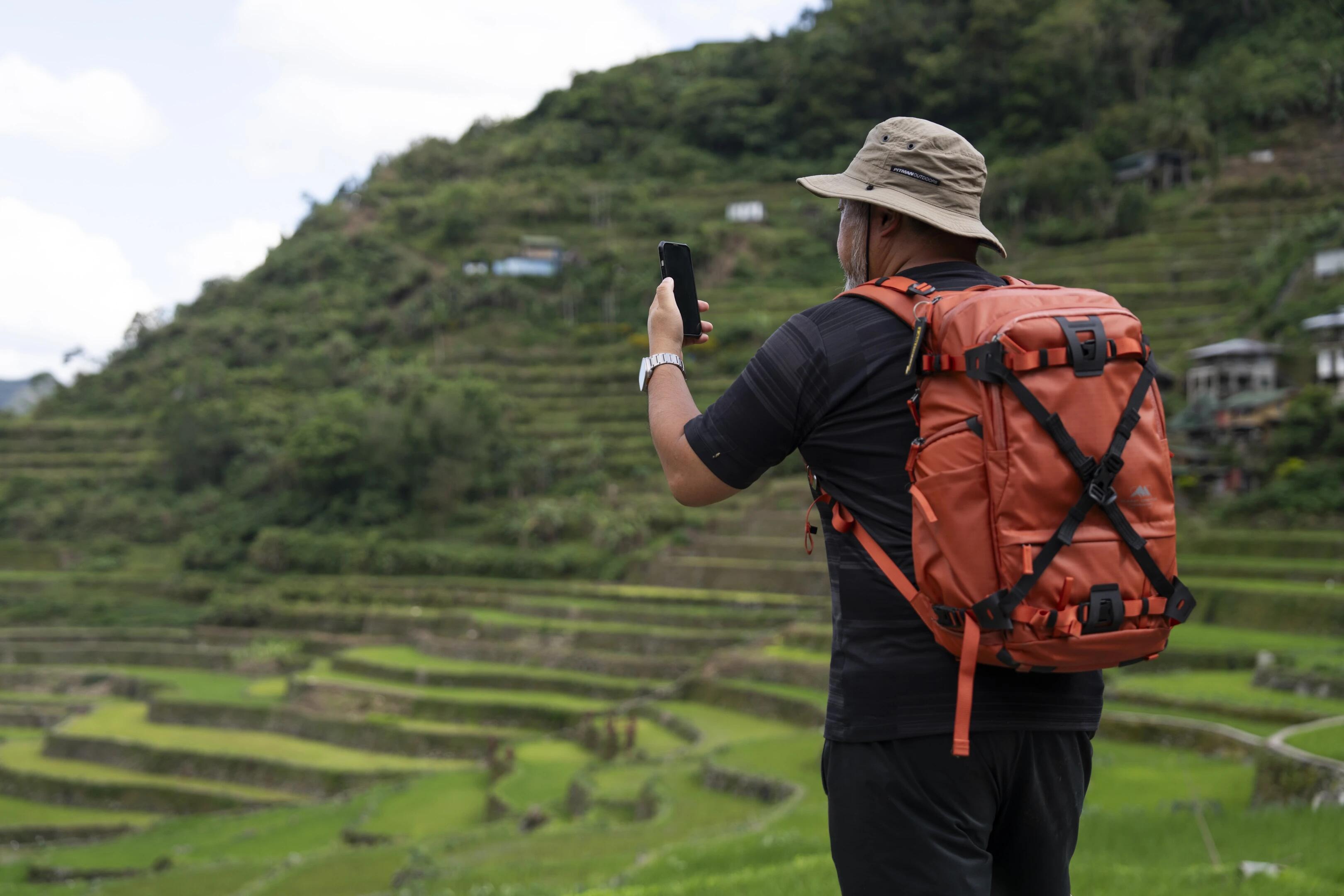
Standard residential internet builds assume grid power, easy access, and moderate ambient temperatures. None of those can be relied on in remote rural, bush, or wilderness sites. A sunny day can push enclosure internal temperatures far above rated limits; freezing nights can stress batteries and harden sealants. A minor fault that would take ten minutes to fix in town can become days of downtime when help is hours away.
That is why we design off-grid kits around serviceability and system resilience, not just signal alignment. Our mounting hardware pairs with robust enclosures with thermal management, weather-sealed cable glands, and industry-standard connectors that field crews can swap out without special tools or custom parts. We prioritise compatibility with solar-charged battery systems, low-voltage regulation, and low idle draw — because every wasted watt shortens runtime when there is no utility supply to fall back on.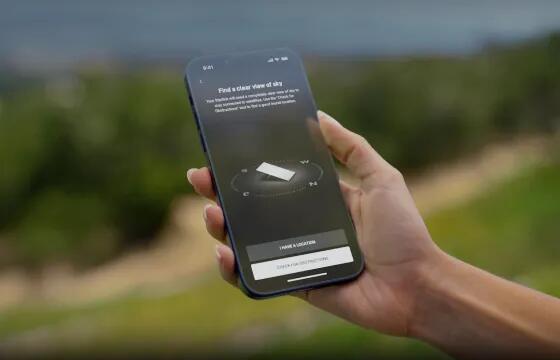
Many remote deployments fail because buyers only shop for a dish mount. They overlook thermal throttling, poor sealing, non-replaceable proprietary connectors, or power conversion losses that drain the battery bank overnight. A bracket may hold the dish perfectly, but if the supporting power and enclosure stack is not purpose-matched, the whole installation becomes unreliable.
PLZTECH off-grid and rural packages are built for isolation. We consider the full system: stable mechanical mounting, environmental protection, efficient DC power handling, and modular, field-serviceable components. For cabins, remote worksites, farm installations and wilderness retreats, reliability means fewer site visits, less travel cost, and connectivity that stays online through heatwaves, cold snaps and long stretches between maintenance.
When support is far away, build every part of the system to be fixable on-site.
Qué cambia en este escenario
What makes an off-grid install different
- Power is self-contained. A regulated supply with integrated battery, or a battery with a solar charge path, and the load calculation has to match the available generation.
- Enclosures are outdoor-rated and sealed, with glands matched to the cable diameter and strain relief inside the gland.
- Serviceability is a design requirement. Cable runs, terminations and the supply should be replaceable with common tools.
- Temperature range is a selection criterion, not a nicety — the enclosure is not the same temperature as the air.
- Access for service: the enclosure should open without removing the dish.
Qué le van a pedir sus clientes
What to confirm before quoting an off-grid bundle
- Available generation: panel size, battery capacity, and the charge controller in use.
- Peak and continuous load, and the expected runtime during a low-generation period.
- Enclosure rating and whether it is pole-mounted or wall-mounted.
- Cable run length between the dish, the enclosure and the battery.
- Whether the site is visited seasonally or continuously, which changes the serviceability requirement.
- Whether a network extension beyond the dish is needed — PoE injection or an outdoor access point.
Otros escenarios
Home & Residential Installations
Fixed home installs: where to mount, how to power it, and what matters when the installer is not coming back n…
Leer más →RV & Motorhome Fleets
Removable mounts for rental fleets, rigid mounts for camper conversions, and the 12V/24V power chain that keep…
Leer más →Marine & Boat Installations
Salt, constant movement and no mains socket. The marine specification, and the three places the budget version…
Leer más →Portable & Mobile Deployments
Gear that gets carried, stacked and packed away. Removable mounts, protected storage and the parts that surviv…
Leer más →Business & Site Deployments
Multi-user sites where the dish is only the start: PoE injection, outdoor access points and a switch that make…
Leer más →Farm & Agri Deployments
Rugged Starlink mounting, anti-vibration brackets and DC power kits for tractors, farm robots and remote field…
Leer más →Servicio OEM/ODM
Herramientas a medida, imagen de marca y embalaje para distribuidores e instaladores.
Leer más →Consulta mayorista
¿Compra para revender, para un proyecto o para una ficha de Amazon? Envíenos cantidad objetivo y destino — respondemos con precio y plazo.