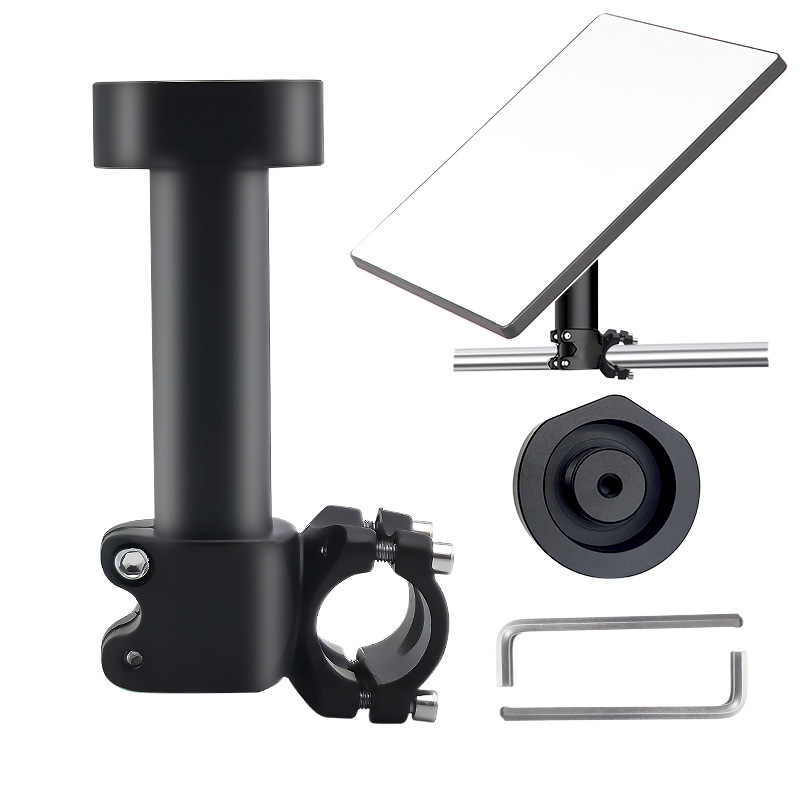
Universal Mini Aluminum Pipe Clamp Mount for RV & Boat
Universal Mini Aluminum Pipe Clamp Mount for RV & Boat. Corrosion-resistant aluminum pipe cl…
For: Starlink Mini
Learn more →
RV is two different jobs sharing a name. A rental fleet wants a mount the depot staff can remove in five minutes and a power supply that does not flatten the vehicle. A camper conversion wants a rigid mount that survives motorway vibration and a supply with a proper charge path back to the house bank. Specifying one bundle for both is the most common mistake we see, and it is why the kits end up in the wrong vehicles.
That simple truth trips up countless buyers, installers and suppliers every single day. When someone says they need an RV power and mounting kit, most people jump to one single solution — but the reality is that a rental fleet RV and a custom camper conversion have almost nothing in common when it comes to hardware requirements.
A rental fleet operator prioritises speed, reversibility and vehicle protection above all else. Their depot staff are rotating units constantly between bookings. They need a mount that depot staff can remove in five minutes flat, no specialised tools, no permanent drilling, no messy modifications to the host vehicle bodywork. The power supply must be gentle on the vehicle starting battery: it cannot drain it overnight, cannot risk leaving a rental customer stranded with a flat engine battery, and it has to be simple enough for non-technical rental guests to operate safely. Downtime costs rental businesses money, so quick-fit, quick-remove, low-risk is the whole design brief.

A camper conversion, by contrast, is built for long-term, continuous off-grid use. The owner plans to cover thousands of highway kilometres, running down rough backroads and crossing hundreds of motorway miles. They want a rigid, secured mount engineered to survive constant motorway vibration, repeated road shock and years of bumpy travel. Vibration is the silent failure point for cheap RV hardware: loose brackets, shaken wiring, cracked connectors and intermittent power cuts ruin trips and create fire risks. For power, the camper build needs a properly designed charge path — one that safely feeds and maintains the house battery bank, with isolation, charging prioritisation and proper battery management. It is built to stay in place, reliably, for the lifetime of the conversion.
Specifying one bundle for both use cases is the most common mistake we see in the RV accessory market. Suppliers package a single “universal RV kit”, market it for all RV users, and gloss over these critical differences. It looks convenient on the product page, but convenience comes at a steep cost.
Fit the rental-grade quick-release mount into a permanent camper conversion: over time, vibration will work fasteners loose. The power unit, built to protect the starter battery rather than sustain a house bank, will never charge your leisure batteries efficiently.
Fit the heavy-duty fixed camper hardware onto a rental fleet vehicle: depot teams waste valuable installation and removal time. Permanent mounting modifications hurt resale value of the fleet vehicles, and the robust charge system can introduce unnecessary complexity for rental users who only need basic temporary power.
This mismatch is exactly why so many off-the-shelf kits end up fitted into the wrong vehicles. Customers install them, then run into frustrating failures: loose gear on the highway, dead starter batteries, house banks that never fully charge, and warranty headaches when the kit cannot deliver on what the user actually needs.

At PLZTECH, we design our RV mounting and power systems from the ground up around this distinction. We do not sell a one-size-fits-all “universal bundle”.
For rental fleets, our quick-release mounting series delivers tool-light, 5-minute removal, paired with starter-battery-safe power supplies tuned for short-term guest use. No permanent body alterations, no hidden drain risk, easy swap between fleet vehicles.
For camper converters and custom van builders, our heavy-duty vibration-resistant mounting hardware and regulated charging solutions are engineered for continuous road vibration, with clearly defined, safe charge paths to your house bank, built to hold steady mile after mile.
Before you select your next RV power and mounting package, start with one question: Is this for a rental fleet, or a permanent camper conversion? Get that right first, and the rest of your build or fleet upgrade becomes far more reliable.
PLZTECH — RV accessory engineering built for the real use case, not just the name.
Accessories that fit this deployment. Edit the selection in the admin panel.
Universal Mini Aluminum Pipe Clamp Mount for RV & Boat. Corrosion-resistant aluminum pipe cl…
For: Starlink Mini
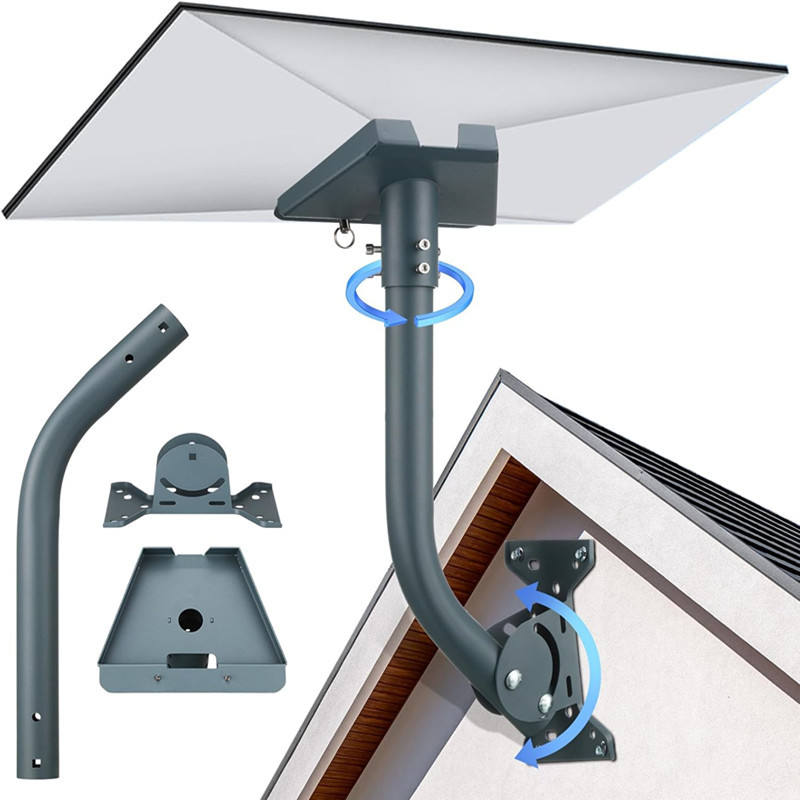
Learn more →Starlink Gen3 Adjustable Curved Stainless Steel Wall Mount. Painted stainless steel bracket …
For: Starlink Gen 3
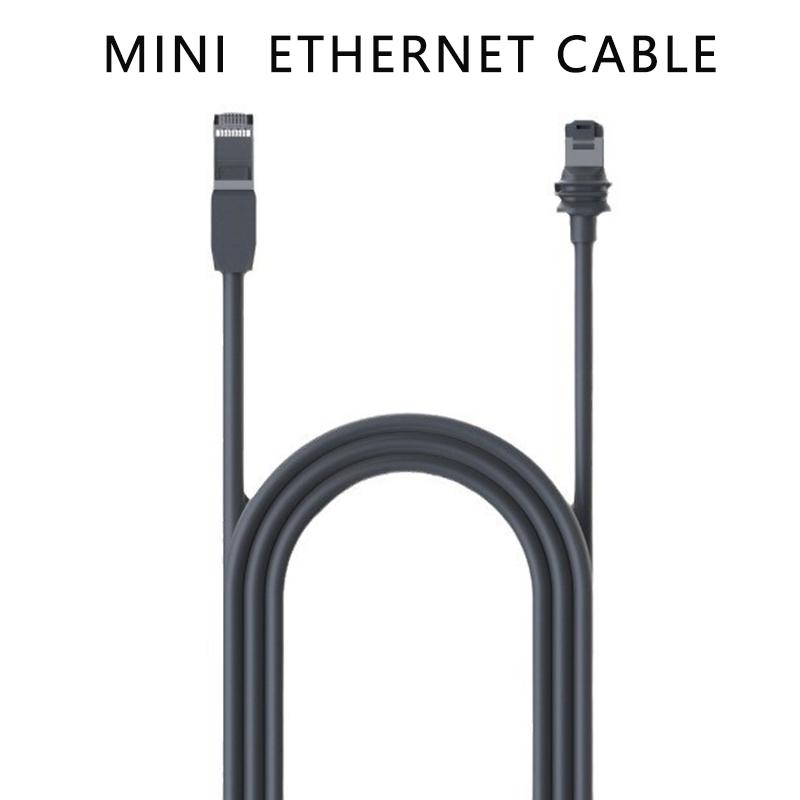
Learn more →Starlink Mini Ethernet Replacement Cable, CAT5E FTP 24AWG, 1000Mbps gigabit transmission. Wa…
For: Starlink Mini
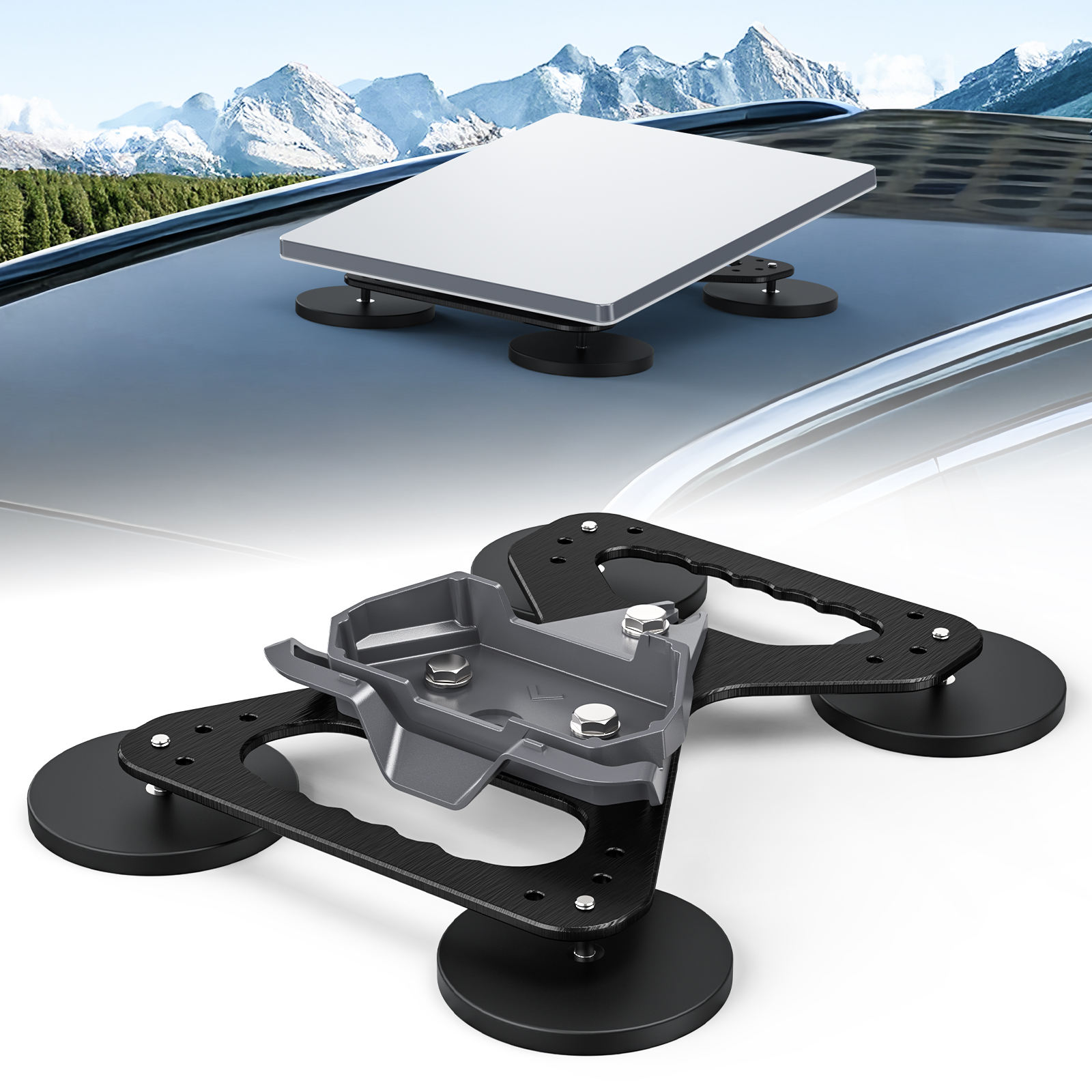
Learn more →Starlink Mini Magnetic Roof Mount. Heavy strong magnet bracket, dedicated accessory for RV a…
For: Starlink Mini
Learn more →Fixed home installs: where to mount, how to power it, and what matters when the installer is not coming back n…
Read more →Salt, constant movement and no mains socket. The marine specification, and the three places the budget version…
Read more →No mains, no signal, no technician for 200 km. The off-grid specification: self-contained power, sealed enclos…
Read more →Gear that gets carried, stacked and packed away. Removable mounts, protected storage and the parts that surviv…
Read more →Multi-user sites where the dish is only the start: PoE injection, outdoor access points and a switch that make…
Read more →Rugged Starlink mounting, anti-vibration brackets and DC power kits for tractors, farm robots and remote field…
Read more →Custom tooling, branding and packaging for distributors and installers.
Read more →Buying for resale, project use or an Amazon listing? Send your target quantity and destination — we reply with a quotation and lead time.